
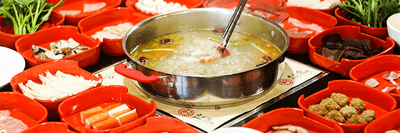
In the world of global gastronomy, Hot Pot (Huoguo) is a participatory[1] culinary tradition. Because diners cook their own ingredients in a communal pot of broth, the "chef’s touch" is inherently limited. For Zhang Yong, a former tractor factory welder with no formal culinary training, this was a strategic opportunity. He realized early on that in an industry where recipes are easily reverse-engineered[2], taste alone could not serve as a sustainable moat[3]. He famously decided that if he couldn't beat the competition in the kitchen, he would out-serve them at the table.
Engineering Hyper-Hospitality
In the 1990s, Zhang observed a gap in the market: while Chinese diners loved spicy hot pot, they were weary of the loud, indifferent, and often unhygienic environments of the time. To bridge this, he designed a service model rooted in "pampering." From day one, the goal was to eliminate every friction point. Waiting for a table—traditionally a nuisance[4]—was transformed into a luxury experience featuring complimentary shoe shines, manicures, and snacks. These were not mere gimmicks; they were tactical maneuvers designed to instill a sense of "casual royalty" in every guest before they ever picked up their chopsticks.
The Signature Spectacle: The Noodle Dance
Nothing encapsulates the Haidilao ethos better than its iconic "Noodle Dance." When guests order handmade noodles, a "noodle master" performs a mesmerizing display of rhythmic acrobatics, spinning dough through the air with surgical precision. This flagship performance elevates a humble starch into a viral spectacle, successfully repositioning Haidilao as a venue for "gastronomic theater." This strategy fueled a dizzying expansion to over 1,400 locations, achieving a legendary table turnover rate of 5.0 times per day—a metric nearly unheard of in the casual dining sector.
Global Consistency, Local Nuance
As the brand ventured into London, New York, and Seoul, it preserved its core identity of "radical attentiveness" while embracing local nuance. While the Noodle Dance remained a global constant, other services were calibrated for cultural fit. In Western markets, for instance, high-touch offerings like shoe shines and manicures were removed to better align with local expectations of privacy and efficiency. Additionally, staff interaction frequency was adjusted to respect personal space, and menus were localized with regional broths. This delicate balance ensures that the "Haidilao experience" feels familiar yet bespoke[5], regardless of the city.
The Invisible Engine: Empowerment and Welfare
The true genius of Haidilao lies in its ability to manufacture sincerity. This was not achieved through equity or stock options, but through deeply human-centric management. Zhang Yong transformed his workforce into a highly motivated team by granting even entry-level staff the unprecedented power to waive bills or gift dishes without managerial oversight. More importantly, he made Haidilao a "place people want to work" by providing a social safety net rare in the industry. For a workforce largely composed of rural migrants, the company provided high-quality housing and generous subsidies for their children’s education.
The Power of Sincerity as a Strategic Moat
In essence, Haidilao’s success proves that "human sincerity" is a scalable business asset. In an era of automation, the brand thrives by prioritizing the analog connection between proud employees and delighted guests. By dominating the table rather than the kitchen, Zhang Yong transformed a simple meal into a beloved "bespoke experience," securing Haidilao’s position as a global gold standard in hospitality.