
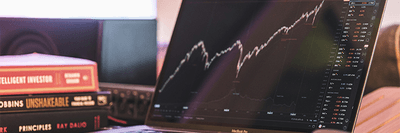
In 2026, the global economic landscape feels more like a minefield than a marketplace. Between the relentless fluctuations[1] of the stock market, the shadow of geopolitical tensions, and the chilling effect of war on the real economy, the level of global uncertainty has reached a tipping point. For many professionals, this volatility[2] isn’t just a news headline; it is a direct threat to their hard-earned savings.
The great irony of modern professional life is that we spend decades mastering our careers to earn money, yet we remain surprisingly illiterate[3] in the language of finance. It is the "Professional’s Tragedy": we are experts at earning but novices at keeping. We work tirelessly for our paychecks, but we rarely know how to make those paychecks work for us. Instead of building a self-sustaining engine of wealth, many find themselves trapped in a cycle of high-stress labor with stagnant assets.
This lack of financial literacy becomes particularly dangerous in a globalized market. Today’s investors are no longer confined to their local stock exchanges; they are diving headfirst into international markets, often without a life jacket. While global diversification[4] is a sound strategy, the current trend of aggressive international investing has created its own set of risks. Many are now highly exposed to currency fluctuations, particularly the volatility of the US Dollar, which can wipe out investment gains in a single afternoon regardless of how well a specific company is performing.
To survive this era, we must move beyond the "get rich quick" mentality and focus on a more holistic financial defense. This starts with understanding that asset allocation[5] is more important than "picking the right stock." In a world where the US Dollar can swing wildly against local currencies, professionals must learn to hedge their bets. Rather than chasing the latest hype on social media, the truly literate professional focuses on Dollar-Cost Averaging (DCA)—the disciplined practice of investing fixed amounts regularly to smooth out market volatility.
Furthermore, we must recognize that in an uncertain world, liquidity is a form of freedom. Maintaining a robust emergency fund isn't "lazy money"; it is a strategic buffer that prevents us from being forced to sell assets at a loss when the market panics.
Ultimately, financial literacy is about regaining control. The market will always fluctuate, and global politics will always remain unpredictable. However, by shifting our focus from being "workers" to being "stewards" of our own capital, we can ensure that our future isn't dictated by a chart or a headline. The goal isn't just to be wealthy; it’s to be financially resilient.