
Why should you eat seasonal food?
Seasonality of food is a concept familiar to many of us. Restaurants often offer seasonal menu items, and we learn in school that watermelons are harvested in summer and pumpkins in fall. Yet, the types of fresh produce that were once seasonal food are increasingly available for longer periods or even year-round. Produce trades between countries are more active than ever, and the percentage of imported fruits has increased in multiple countries. In the U.S., fresh fruit imports went from 5 billion dollars in 2009 to 14 billion dollars in 2019.
With much fresh produce available throughout the year, it’s difficult to naturally learn what grows when. Outside their natural growing seasons, fruits and vegetables grow in greenhouses or are imported from the other side of the planet to meet demands. However, there are strong reasons for preserving seasonality of food: to eat cheaper and healthier; to save the environment; and to keep the culinary world tasty and diverse.
First of all, it is simply cheaper to eat seasonally. It costs less to grow crops during their natural growing seasons. For example, asparagus is much cheaper in spring than in winter, as new shoots thrive [1] in warm soil and a lot of sunshine. Winter cultivation involves more energy expenditure [2], to warm the ground and make up for the lack of sunlight.
Growing something off-season is not the only part of year-around availability that needs additional resources. Seasonally harvested apples sit in special storage units for months wherein temperature and moisture levels are strictly controlled to keep them crisp. Likewise, imported fruits depend on extensive storage systems during their entire shipment, as well as local distribution. Not surprisingly, the cost of storage adds up to what customers pay, not just at grocery stores but also at restaurants.
Seasonal foods also have more flavor and nutritional value. A number of studies have shown that nutritional content in fruits and vegetables remains the highest shortly post harvest and begins to decline rapidly as they sit in storage. Their taste also deteriorates [3] over time regardless of how elaborate the storage system is. Even if produce is carefully grown and freshly harvested in greenhouses, its taste does not quite replicate its in-season counterpart, as there is much more than temperature and lighting to what makes a season.
Greenhouse maintenance, transportation, and storage puts a lot of burden on the planet with a high carbon footprint. However, it’s not just the greenhouse emissions from these practices but also the nature of conventional farming that has a negative impact on the environment. Typically, a farm does not grow different crops for different seasons and instead focuses on a single variety. However, this method depletes the soil of nutrients. On the other hand, crop rotation allows various plants to soak up and emit [4] different chemicals from and into the ground, which act as natural fertilizers. To grow a single crop across a series of growing seasons, a farmer has to apply more artificial fertilizers and pesticides, which degrade the environment.
Besides the positive effects seasonal foods bring us and the Earth, much variety we see in the world today would not even exist without the changing seasons. Many of the food preserving techniques we know, such as fermentation, drying, and smoking, were invented to keep foods past their seasons. Pickles and kimchi were famously born out of efforts to store vegetables, which stay fresh only for a few weeks under natural conditions. By salting and fermenting cucumbers and cabbages, our ancestors found a way to enjoy them throughout winter and spring, until it was warm again and fresh ones could be picked from the fields in summer and early fall.
Many of the world’s fun cultural assets have developed around seasonal availability as well. In America, pumpkin pies and apple pies are usually baked near Thanksgiving; family and friends in Korea come together in November for Kimjang, which is a communal [5] kimchi making practice; Spain’s famous tomato festival, called La Tomatina, still takes place on the last Wednesday of August every year.
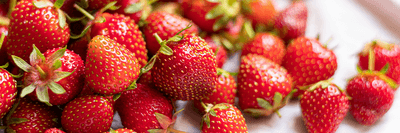
It may seem silly to wait for weeks and months before eating strawberries when we have all this technology stretching the availability of fresh produce. Yet, without the effort to keep seasonality intact, the food world may become less tasty and more boring, with adverse effects on our communities. The extra days endured for seasonal produce will surely bring more joy to you-- and the planet.