
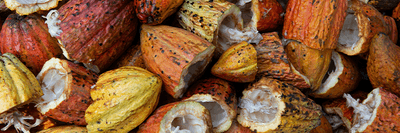
The price of cocoa, the key ingredient in chocolate, has skyrocketed this year. Once priced under $5,000 per ton, cocoa prices broke the $12,000 mark in April and are now holding steady at around $8,000. Reports indicate that this is the third year where supply has failed to meet demand. So, what is driving this cocoa shortage?
The primary culprit [1] is the extreme weather conditions in West Africa, which produces 70% of the world’s cocoa beans. The region has been severely impacted by El Niño, which raises global sea temperatures by 0.2°C. Climate change has only amplified [2] the effects of El Niño, causing erratic rainfall patterns and rising temperatures. As a result, diseases have spread among cocoa trees, drastically reducing their yields.
While global demand for chocolate continues to grow, deforestation and illegal mining have further degraded the land, limiting space for cocoa cultivation and putting even more pressure on supply. Meanwhile, speculative [3] trading in financial markets, with traders hoarding [4] cocoa stocks, has also contributed to the volatility [5] in prices.
To make matters worse, sugar prices are climbing as well, making chocolate inflation inevitable. Chocolate-based snacks from brands like Lotte have already seen price increases, and experts predict that these rising costs will be reflected in consumer prices by 2025.
In a year where the prices of nearly all essential goods have risen, indulging in a sweet treat like a piece of chocolate or a cup of cocoa has always been a cost-effective way to find small moments of happiness. Now, with prices climbing, this small pleasure is becoming a bittersweet luxury.
Have you noticed the rise in chocolate prices? For the upcoming Valentine's Day, should we consider alternatives to chocolate as gifts?