
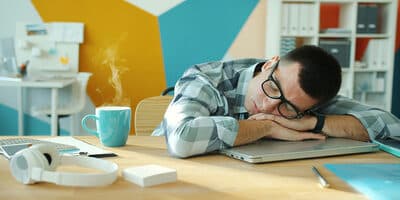
It’s 1:50 p.m. Your inbox is overflowing, your next meeting starts in ten minutes, and your eyelids seem to have clocked out [1] early. Whether you’re sitting in that meeting or staring at your monitor, your whole body feels like it’s slowly shifting into low gear. Many people chalk this up to [2]a “blood sugar spike.” When you eat, your body breaks carbohydrates down into glucose, and your blood sugar goes up. That’s a normal part of digestion, but lunches heavy in refined [3]carbs, like white rice or noodles, can send it up even faster.
A quick spike and crash in blood sugar can certainly leave you tired, but it isn’t the whole story. Digesting a meal also puts your body in a more relaxed state, and alertness [4] tends to dip [5] in the early afternoon anyway. That sluggish feeling is often worse after a big or greasy lunch, whether it’s a team outing or a trip to that popular spot near the office.
Still, blood sugar is one piece of the puzzle you can actually control, and it may take less effort than you’d think. In a small study from Weill Cornell Medicine, adults with type 2 diabetes who ate their vegetables and protein before their carbs saw their blood sugar rise about 29%, 37%, and 17% less at 30, 60, and 120 minutes after the meal. In other words [6], the exact same meal can affect your blood sugar quite differently depending on what you eat first.
If you spend most of your workday sitting, how you work matters, too. In one small study, office workers either sat or stood for about three hours after lunch, and standing cut their post-lunch blood sugar rise by roughly 43% compared with sitting. Even just getting up for a short walk can help, since working muscles pull glucose out of the bloodstream.
None of this means you need to overhaul [7] your diet or follow a strict plan. Small habits can make a difference: eat the vegetables or protein on your plate before the rice, take the stairs or a 10- to 15-minute walk around the building after lunch, or get up and stretch before that afternoon meeting. Habits like these may help you shake off [8] that heavy-eyed afternoon fog.