
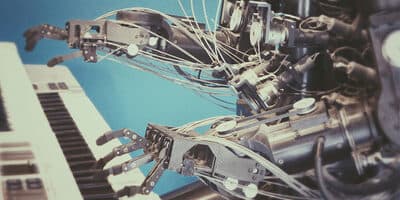
Imagine a workplace where a machine makes every call: who gets hired, which plan gets approved, where the budget goes. People just carry out [1] what it says. At first it looks like efficiency, but over time something slips. When the machine always seems right, people stop asking why, and little by little they lose the instinct to judge [2] for themselves. It sounds like science fiction, and yet an early version of it is already turning up at work.
That early version tends to look like this. Someone brings a polished [3]proposal to a review meeting, and the reviewer asks the obvious questions: what is this based on, and has anyone checked whether it would actually work? Rather than answer, the author offers to ask the AI, and comes back with a new version. The reviewer tries again: why is this version any better? No explanation comes. “That’s what the AI said,” as if that were the end of it. It isn’t, and the frustration in the room is hard to miss [4].
If you have ever reviewed someone else’s work, this probably rings a bell [5]. The tool itself is not the problem; used well, AI genuinely helps. The problem is how it gets used, when someone types a vague prompt, feeds in nothing real, and passes along whatever comes back. There is a name for the result now. Researchers at Stanford and BetterUp call it “workslop”: AI-generated content that looks finished but says nothing, handing [6] the actual thinking off to someone else.
And that someone is usually the reviewer. In a 2026 survey of 2,500 workers and IT leaders worldwide, 77% said AI-generated work takes longer to review than work done by a person, and 66% said checking other people’s “workslop” only adds to their own workload. The time one person saves by not thinking is time another spends thinking twice.
The cost does not stop at wasted time, though. It also catches up with [7] the person who skipped the thinking. In the same survey, 39% of employees said AI was making them less sharp, and a 2025 study from Microsoft and Carnegie Mellon found that the more people trusted AI, the less critical thinking they did. When “the AI said so” takes the place of “here is why,” a team slowly loses the habit of reasoning [8], and with it the sense of ownership that makes people care about their work. That is how the workplace we imagined comes about: not all at once, but one unexplained answer at a time.
None of this means putting the tool down. It means staying the author of your own work. AI can draft, suggest, and move things along, but the judgment, the evidence, and the “why” still have to be yours. So the next time you are asked to explain your reasoning, or you hear “the AI said so” from across the table, remember: it can be where the thinking starts, but never where the answer ends.