

[Editor's Note] This module focuses on Parts 2 and 4 of the TOEIC Speaking Test. It helps you stay confident and respond smoothly in unexpected situations by using essential survival expressions.
[Tips for Success]
For Test-Takers: The goal of this module is to practice “survival expressions” that help you keep speaking when you get stuck. These expressions are not required for a high score, but they can be useful tools in unexpected situations. Focus on staying calm, maintaining your flow, and continuing your response naturally.
- Use Expressions Strategically: Don’t try to force these expressions into every answer. Use them only when you genuinely need a moment to think, and connect them smoothly to your main response.
- Start Speaking Early: Even if your idea is not perfect, begin with a simple sentence and build from there. Starting quickly is often better than waiting for a perfect answer.
- Keep the Flow: Avoid long pauses. Simple and clear sentences are better than silence. Your goal is to sound natural and consistent.
- Focus on What You Can Say: If you don’t know a specific word, describe it in another way. Keep your answer moving instead of getting stuck on one detail.
- Stay Confident: Avoid expressions that show uncertainty (e.g., “I’m not sure”). Speak as if your answer is valid and complete.
For Tutors: Guide students to use these expressions as support tools, not as a crutch. The main goal is to build confidence and maintain fluency under pressure.
- The Warm-up: Have the student answer simple questions or describe a basic image using 1–2 survival expressions to get comfortable.
- The Timing Drill: Intentionally give the student a difficult or unexpected question. Encourage them to use a survival expression and continue speaking without stopping.
- The Flow Check: Focus on whether the student keeps speaking smoothly, even if the content is simple. Prioritize fluency over perfect grammar in early stages.
- The Balance Check: Make sure the student is not overusing these expressions. If they rely on them too often, guide them to answer more directly.
- The Confidence Build: Encourage the student to remove hesitation phrases and deliver answers more assertively over time.
- Effective Follow-up Prompts:
- Try starting your answer right away, even with a simple idea.
- Can you continue your answer without pausing?
- Use one survival expression, then move on to your main point.
- Can you say the same thing in a simpler way?
- Let’s try again, but this time with more confidence and fewer fillers.
[Helpful Speaking Patterns]
- Let me take a moment to look at this carefully and explain it clearly.
- I’ll try to explain this as clearly and simply as possible.
- Let me walk you through this in a simple and organized way.
- I’ll go over what I see step by step so it’s easy to follow.
- Let me focus on the key points first and explain them clearly.
- I’ll explain this in a way that’s easy to understand.
- Let me organize my thoughts and explain this in a clear way.
- I’ll describe the situation step by step so it’s clear.
- Let me break this down into simple parts and explain each one.
- I’ll explain what I see and focus on the important details.
- Let me take a simple approach and explain this clearly.
- I’ll go through this carefully and explain it in a logical way.
Now it’s time to put these strategies into action. Step into your role as a professional communicator and let’s begin the practice.
[Model Answer Example]
Practice Question A: Describe a picture
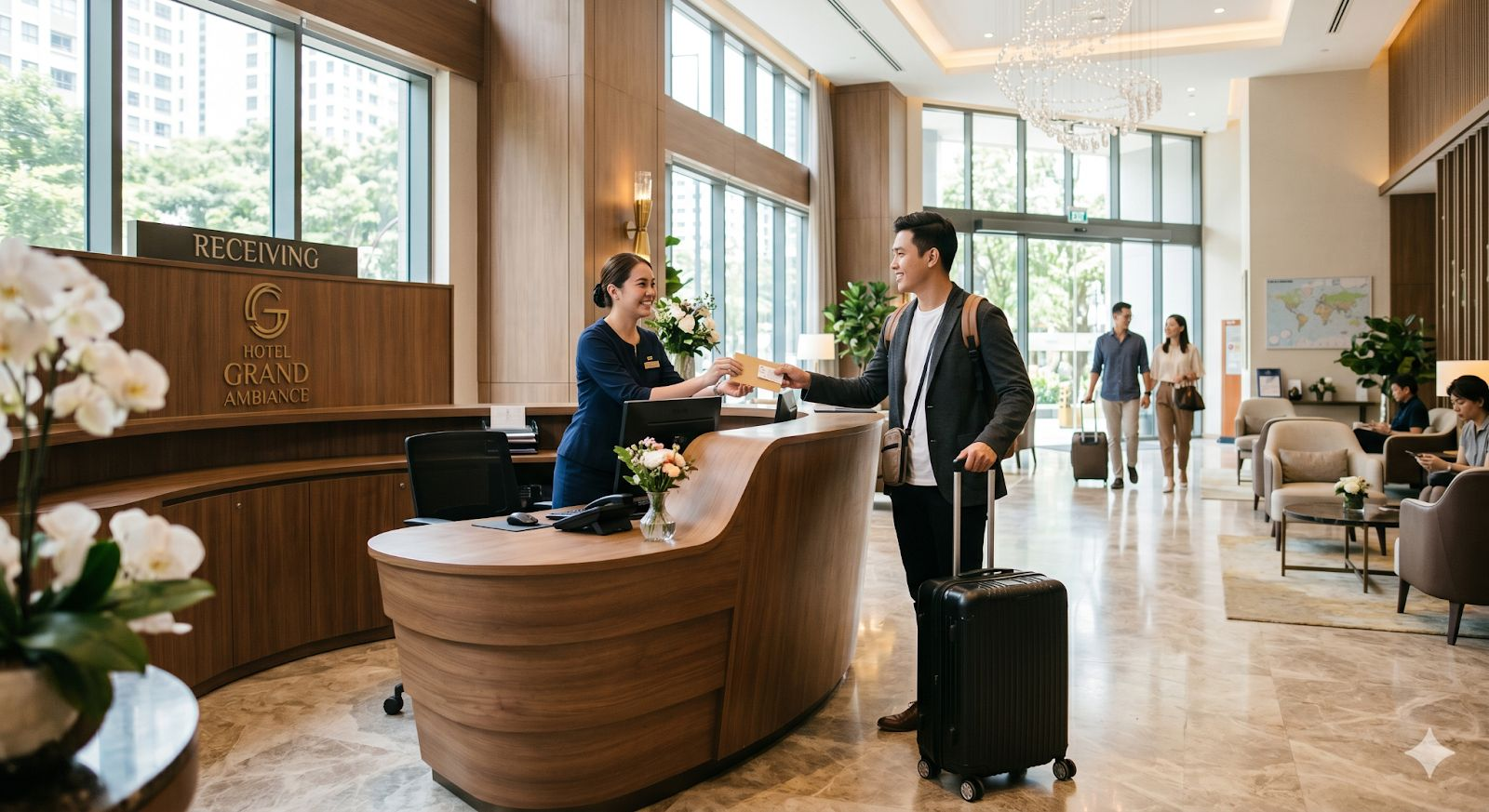
Answer: This photo appears to be taken inside a hotel lobby, and it shows an interaction taking place at the reception desk. In the foreground, a hotel staff member is handing what appears to be a room key to a guest, who is standing with a suitcase beside them. The reception desk is neatly arranged with a computer screen and several brochures. In the background, large sofas and decorative plants can be seen, giving the lobby a welcoming feel. Overall, the scene gives the impression of a well-run hotel during a check-in or check-out period.
Practice Question B: Describe a picture
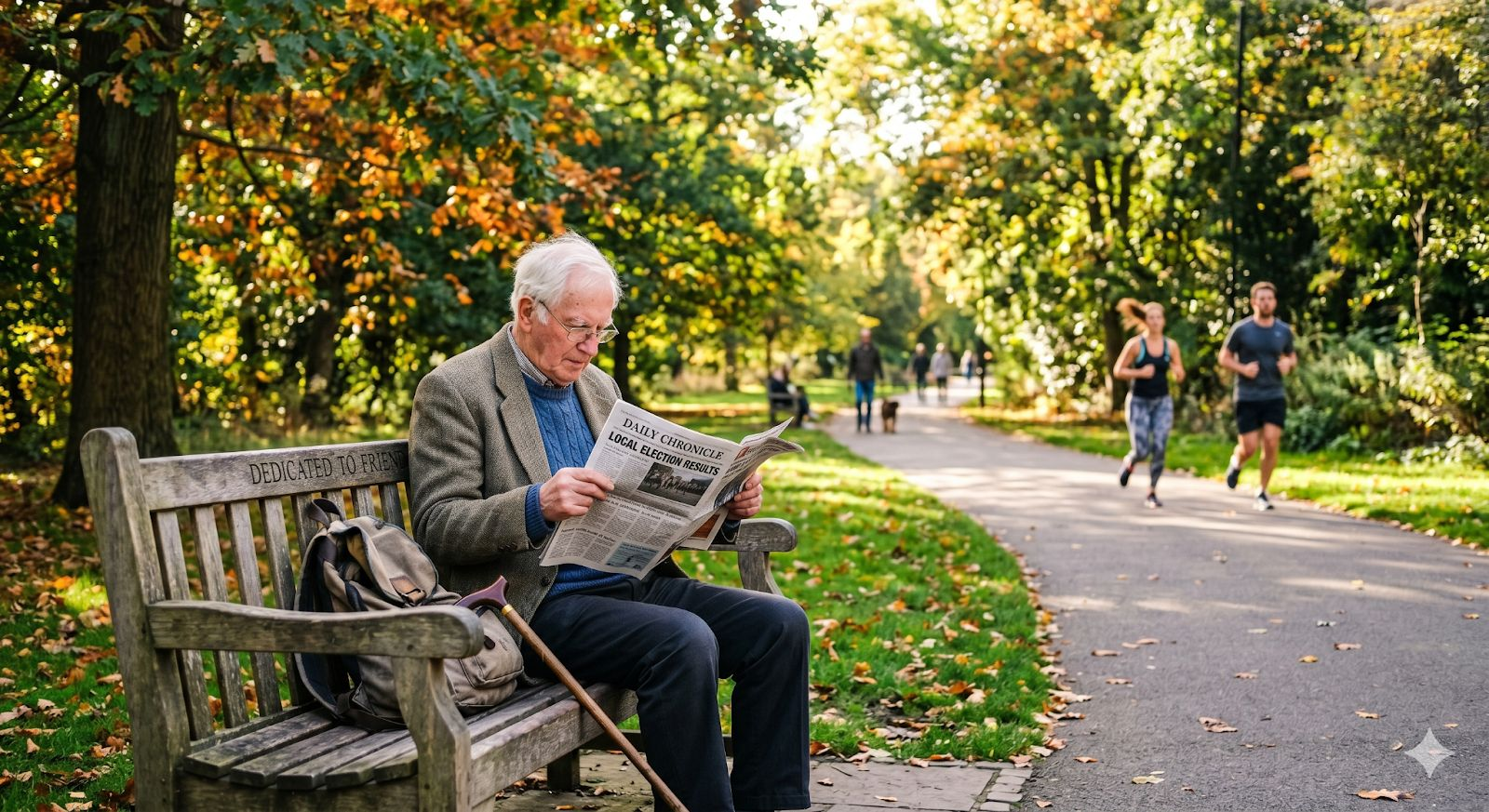
Practice Question C
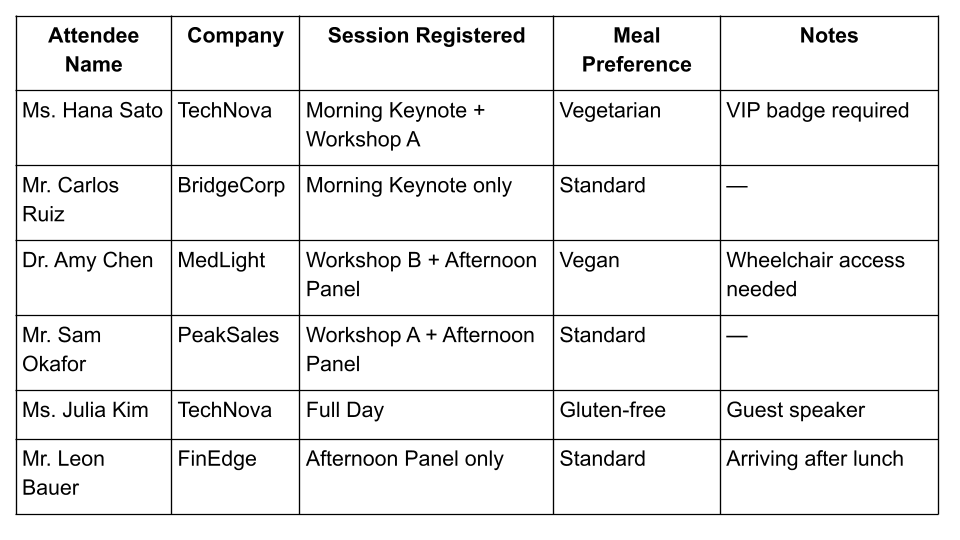
Q1. Which attendee requires wheelchair access, and what sessions are they registered for?
Q2. How many attendees are from TechNova, and what are their meal preferences?
Q3. The event coordinator needs a summary of special requirements for the day. What would you tell them?
Practice Question D
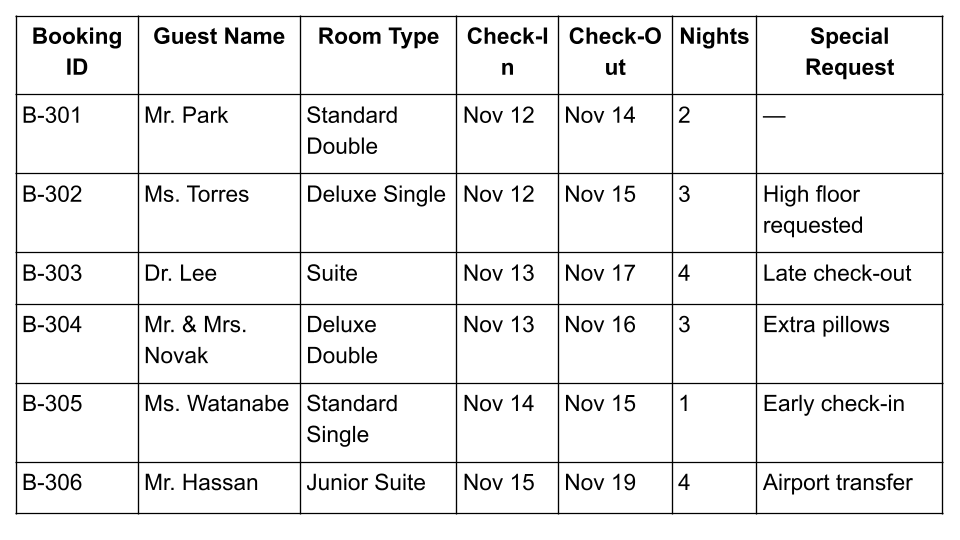
Q1. Which guest has the longest stay, and what type of room are they in?
Q2. How many bookings include a special request? What are they?
Q3. The front desk manager wants a briefing on November 13th arrivals. What would you say?