
Hotelier Track
Professional Introduction
Hotelier English 101 (1)
Updated: 2026.02.03
1 min read · Basic
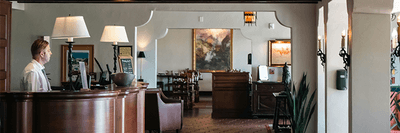
[Editor's Note] This introductory module is designed for hospitality professionals to confidently explain their daily responsibilities to English-speaking guests and colleagues. The goal is to move beyond simple job titles and describe the value you provide during a shift.
[Tips for Success]
- For Staff:
Prepare a 40–60 second introduction about your job and daily routine. Use at least 4 phrasal verbs provided to explain:- Area of Responsibility: Your specific station and main duties.
- Daily Flow: How you manage the transition between shifts or handle your peak hours.
- Your Priority: What you focus on to ensure guest satisfaction.
- Pro Tip: Use phrases like "I’m in charge of..." or "I take care of..." instead of the more basic "My job is..." to sound more professional.
- For Tutors:
- Encourage Real-Time Interaction: Since the student wants to improve their "quick response" skills, turn the introduction into a 2–3 turn dialogue. Don't just listen; interrupt naturally with follow-up questions to mimic a real conversation.
- Suggested Follow-up Questions:
- "What is the most challenging part of your daily routine?"
- "How do you handle the 'rush hour' during shift handovers?"
- "If you could change one thing about your workspace, what would it be?"
[10 Essential Phrasal Verbs & Examples]
- Deal with: To take action to do something or solve a problem.
Example: I deal with a lot of special requests from VIP guests every morning.
- Report to: To be responsible to a manager and tell them what you have done.
Example: I report to the Front Office Manager at the start of every shift.
- Fill in: To complete a form or document with information.
Example: I help guests fill in their registration cards when the lobby is busy.
- Go over: To examine or check something carefully.
Example: Before my shift ends, I go over the room status report one last time.
- Look after: To take care of or be in charge of someone/something.
Example: I look after the lobby area to make sure everything is tidy for arriving guests.
- Pass on: To give a message or information to another person.
Example: I always pass on guest feedback to the housekeeping team.
- Help out: To assist someone, especially in a busy situation.
Example: When the concierge is away, I help out with dinner reservations.
- Team up (with): To work together with another person or department.
Example: I team up with the bell desk to ensure luggage is delivered promptly.
- Keep up (with): To stay updated or move at the same speed as a process.
Example: It's hard to keep up with all the emails during the peak season.
- Show around: To lead someone through a place and explain it.
Example: Occasionally, I show new employees around the front office facilities.
[Model Answer Example]
Question: If a guest asks, how do you explain your job in two or three sentences?
Answer:
- I’m in charge of the front desk, and I take care of our guests from the moment they arrive.
- I help them check in and sort out any requests they have during their stay.
- My main goal is to make sure every guest feels welcome and comfortable in our hotel.
[Discussion Questions]
- If a guest asks, how do you explain your job in 2-3 sentences?
- Why did you choose to work in a hotel? What do you like about it?
- What is the most rewarding part of being a hotelier?
- What is one thing in your job you would notably like to fix?
- What is the most important skill for a hotelier to have?
- How do you help out your team when the hotel is full?
- Tell me about a time you had to sort out a big guest problem.
- Have you noticed any new trends in what guests want these days?
- Do you think guests are harder to please now than before?
- Where do you see yourself in the next five years?
*This material is designed for the exclusive use of Ringle students on the Ringle platform.