
Business
When Buying Green Becomes Cool
Plastic gets Freitagged
Updated: 2025.11.18
3 min read · Advanced
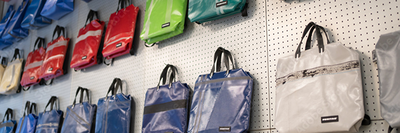
When Buying Green Becomes Cool Plastic gets Freitagged 친환경 제품이 멋스런 유행이 될 때 플라스틱이 "프라이탁"이 되기까지 Discussion Questions Q1 In your own words, please briefly summarize the article. 여러분의 언어로 교재를 간단히 요약해 주세요. Q2 What part of the reading resonated with you most? 이번 교재에서 가장 공감하는 내용은 무엇인가요? Q3 Have you ever bought or used a recycled product? What was it, and how did you feel about its quality or design? 재활용 제품을 사거나 사용해 본 적이 있으신가요? 어떤 제품이었고, 그 품질이나 디자인에 대해 어떻게 느끼셨나요? Q4 What do you think makes plastic such a difficult material to replace in modern society? 플라스틱이 현대 사회에서 대체하기 어려운 재료가 된 이유는 무엇이라고 생각하시나요? Q5 The article mentions that the qualities that make plastic useful also make it harmful. Can you think of other materials or technologies that have this same “double-edged” nature? 글에서는 플라스틱의 ‘유용함이 동시에 해로움이 될 수 있다’고 말합니다. 이런 양면성(double-edged)을 가진 다른 재료나 기술이 있다면 무엇일까요? Q6 What do you think makes Freitag’s “green and urban” branding so successful among consumers? 프라이탁의 ‘친환경적이면서도 도시적인(green and urban)’ 브랜드 이미지가 소비자들에게 성공한 이유는 무엇이라고 생각하시나요? Q7 Do you believe companies should be responsible for reducing waste from their products? Why or why not? 기업이 자사 제품으로 인한 쓰레기 문제를 줄일 책임이 있다고 생각하시나요? 그 이유는 무엇인가요? Q8 Some people think “eco-friendly” products are too expensive. Do you think sustainability should come before affordability? Explain your view. 일부 사람들은 ‘친환경 제품은 너무 비싸다’고 말합니다. 여러분은 지속가능성(sustainability)이 가격(affordability)보다 우선되어야 한다고 생각하시나요? 의견을 설명해 주세요. Q9 Do you think recycling alone can solve the plastic problem, or do we need to rethink how we consume and produce materials? 재활용만으로 플라스틱 문제를 해결할 수 있다고 보시나요, 아니면 우리가 소비하고 생산하는 방식 자체를 바꿔야 한다고 생각하시나요? Q10 If you have a question or questions that you'd like to discuss during your class, please write them down. 궁금한 점이 있거나 수업 중에 얘기해 보고 싶은 질문이 있으면 적어주세요. Expressions doomed certain to fail or suffer; unable to escape a bad outcome Ví dụ 1 The project was doomed from the start due to poor planning. Ví dụ 2 Without teamwork, their efforts were doomed to fail. incinerated burned completely to ashes Ví dụ 1 The documents were incinerated to protect confidential information. Ví dụ 2 Old waste is often incinerated instead of being recycled. unwieldy difficult to handle or manage because of size, shape, or complexity Ví dụ 1 The box was too large and unwieldy to carry alone. Ví dụ 2 The new system was powerful but unwieldy to use. marginally slightly; by a small amount Ví dụ 1 Sales increased marginally compared to last year. Ví dụ 2 The two candidates differ only marginally in their policies. spurning rejecting something with disdain or contempt Ví dụ 1 She kept spurning his offers of help. Ví dụ 2 The artist was known for spurning commercial success. |
| 본 교재는 당사 편집진이 제작하는 링글의 자산으로 저작권법에 의해 보호됩니다. 링글 플랫폼 외에서 자료를 활용하시는 경우 당사와 사전 협의가 필요합니다. |
Loading...
*This material is designed for the exclusive use of Ringle students on the Ringle platform.