
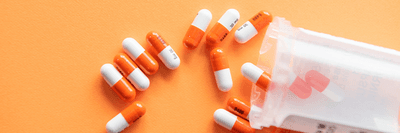
The placebo effect, by definition, is something not meant to be produced.
A “placebo” is an inert [1] substance designed not to produce any therapeutic effect. Yet, “the placebo effect” refers to the beneficial effect from a placebo substance. In other words, the placebo effect occurs when pills or other treatments generate a positive effect that is, biologically, not meant to be produced. Then, this positive reaction might be of psychological nature, not biological.
For example, drugs can work biologically to kill bacteria, activate your immune system, stimulate hormones, or perform other physiological functions that help you get better. In turn, when experiment subjects are given inert “placeholders” instead of real drugs, we would naturally expect that they would not experience any benefit from taking the fake drugs — something like a sugar pill with no treatment mechanism. Surprisingly, some do feel better and think that their diseases are cured after consuming fake medications that they think are real; for these patients, scientists surmise [2] that the psychological effects of getting treatment led to the actual improvement of health status.
The placebo’s evil twin, the nocebo effect
The “opposite” of the placebo effect is the nocebo. If the placebo effect is the benefit that comes from positive anticipation, the nocebo effect is the side effect that is caused by negative anticipation. We are more likely to experience an adverse [3] effect if we are wary of it happening. For example, if a doctor tells a patient that a treatment may have very unpleasant side effects, side effects may be more severe if the patient takes the doctor’s words to heart. Another example might be jet lag. When people are more worried about the effects of jet lag, it manifests into more severe symptoms. On the other hand, objective factors that one might expect to be relevant, such as the number of time zones crossed, did not affect jet lag symptoms in the experiment. This result may provide a simple solution for those who are going to be traveling soon: stop worrying about jet lag.
Why some people don’t experience the placebo effect
Some do not experience the placebo effect where others do. By extension, a person’s response to a specific placebo may vary depending on the environment. In fact, one’s mood and personality can predict their response to placebos. For example, someone who is feeling very anxious is less likely to experience the placebo effect. In addition, optimists respond at higher rates to placebos, while pessimists are more likely to react negatively (experiencing the nocebo effect).
The placebo effect is an interesting intersection between medicine and psychology.
Scientists still don’t quite know how a treatment with no biological mechanism of action can sometimes produce a real change in patients. One explanation is that placebos can result in positive effects by triggering the release of certain hormones, such as dopamine, which are meant to increase pleasure. The opposite can also be true: nocebos occur when dopamine is halted [4] and replaced with anxiety.
At the same time, the placebo effect can pose a challenge for medical researchers who want to tease out a new drug’s medicinal effects. Thus, researchers often use a control group in experiments. This means that while some subjects receive the new treatment being tested, others in the control group get treated with a placebo. In doing so, researchers can compare the strength of the placebo effect with the effectiveness of the new treatment.