
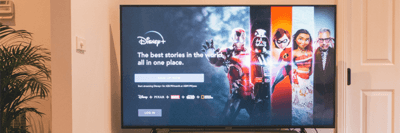
When many hear the word education, they picture a traditional setting complete with chalkboards, desks, seating arrangements, and a teacher at the front of a classroom. This image, while a correct one, is not the only one; in fact, a lot of education happens in the comfort of your living room sofa.
Indeed, television is one of the most effective and accessible [1] educational tools out there. Aside from channels that are specifically designed to educate, more casual TV is immensely valuable, especially for language learners. Students have reported an increase in their language proficiency after watching sitcoms, dramas, sports, soap operas, and even reality TV, as they introduce new vocabulary, expressions, conversation styles, slang, and more.
This value isn’t exclusive [2] to learners of a new language, however. Native speakers, young and old, can gain new insights into their mother tongue by watching television and witnessing how characters interact with themselves, other characters, and the world.
That last interaction—between the world and a character—has perhaps the greatest educational merit. Television can teach us a lot about ourselves, helping clarify our values, passions, strengths, weaknesses, and emotions. Television makes us laugh and it makes us cry; it adapts the human condition onto a two-dimensional screen, allowing us to navigate [3] difficult conversations without having to be part of the action itself. In this way, television prepares us for the real world, maybe more than an ordinary classroom could ever.
Learning can be fun. Learning should be fun! TV provides that enjoyment—as you watch TV, you passively consume [4] English tips and tricks. How conversations evolve, exciting expressions and idioms, cultural quirks, and more are available through television. Not to mention, they introduce us to critical themes that feature in everyday life, such as relationships, parent-children dynamics, class inequality, and cultural conflict, in addition to happier subjects like love, platonic and romantic, and personal expression, through fashion or sports or the arts or whatever.
So, next time you feel bad about a recent binge, or think someone else is engaging in brain rot with the shows they watch, question if it’s really for naught [5]: television has some valuable lessons to teach, even if they’re in unconventional wrapping.