
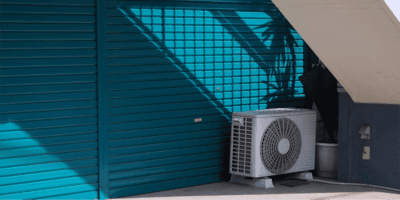
A record-breaking heatwave swept across Europe in the summer of 2026, reigniting [1]a long-simmering argument over one of the most basic appliances in modern life: the air conditioner.
The numbers tell the story. From late June, a heat dome settled over the continent, pushing temperatures far above normal. Spain hit 45.1 degrees Celsius (113.2 degrees Fahrenheit). France and even northern countries like Germany and the UK broke records. In just one week, the heat was linked to more than 1,300 deaths across the continent.
This is not a one-time event. The World Health Organization has called the current heatwave a "dress rehearsal" for the future, noting that Europe is warming at more than twice the global average rate. The seas are heating too, which means hotter, longer summers ahead. Experts believe the worst is still to come [2].
Against this backdrop [3], air conditioning has become a political flashpoint. About 20% of European households have air conditioning, compared to 90% or more in the United States, Japan and South Korea. For decades, this gap was seen as a sign of environmental restraint. This summer, it became a matter of life and death.
Critics of air conditioning, mostly environmentalists, argue that it consumes large amounts of energy and releases hot air outdoors, which can worsen city heat. Supporters counter that these long-term concerns cannot outweigh [4]an immediate emergency, saying air conditioning keeps homes livable and workers safe. The debate has grown especially political in France, where the far-right National Rally, a party that once downplayed [5] climate change, now proposes a nationwide plan to help households install air conditioning. Even the Greens, who long opposed cooling systems, now admit they are becoming necessary.
Caught in the middle [6], the European Commission, which usually champions strong climate policies, has declined to take a formal stance, saying it is not its role to tell people how to cool their homes.
What seems clear is that the debate over whether to adopt air conditioning is losing relevance, because adoption is happening regardless [7]. The real question now is how to manage it wisely.