
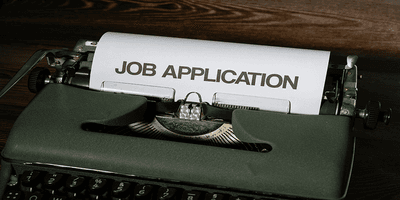
The modern job hunt often feels like two sides talking past each other. The applicant [1] sends out dozens of resumes and hears nothing back, convinced no one is even reading them. The employer, flooded with applications, reaches for software to sort the pile before a human ever steps in. Each side tries to save itself effort, and in doing so, makes life harder for the other.
Companies now lean on automated screening to manage the volume, which means your first reader is often a machine matching your words against a job description [2]. The applicant who understands this writes to be found, echoing the language of the posting and pointing plainly to real experience. The goal is not to invent skills you lack, but to make the real ones easy to find.
The tension runs deeper at the interview. Many candidates believe the world owes them [3]a chance, that simply showing up should be enough. Employers see it differently: a job is a problem that needs solving. The applicant asks what the role offers; the employer asks what the applicant brings. The gap between those two questions is where many interviews quietly fail.
AI sharpens the standoff [4]. It lets applicants produce polished resumes in seconds, but when everyone uses the same tool, every resume sounds the same, and employers grow hungrier for a real human voice. The technology meant to give candidates an edge [5] can erase the very thing that makes them stand out. In the end, the way through is empathy for the other side: the applicant who can see the employer's problem, and answer it clearly as themselves, breaks the deadlock [6].