
Climate Change in 2026
Less Visible, More Present
Updated: 2026.06.10
5 min read · Intermediate
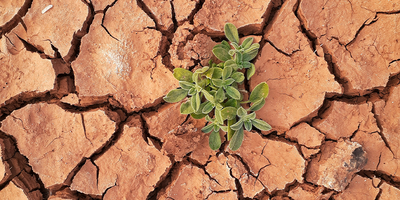
Climate Change in 2026 Less Visible, More Present 2026년의 기후변화 덜 보이지만, 더 가까워졌다 Discussion Questions Q1 In your own words, please briefly summarize the article. 여러분의 언어로 교재를 간단히 요약해 주세요. Q2 What part of the reading resonated with you most? 이번 교재에서 가장 공감하는 내용은 무엇인가요? Q3 How often did billion-dollar weather disasters happen in the U.S. in the 1980s, and how often now? 1980년대 미국에서 10억 달러 규모의 기상 재해는 얼마나 자주 일어났고, 지금은 얼마나 자주 일어나나요? Q4 The article describes a "quiet cycle" in how climate news disappears. Walk through the steps of that cycle in your own words. 이 글은 기후 관련 뉴스가 사라지는 "조용한 악순환 고리"를 설명합니다. 그 악순환의 단계들을 여러분의 표현으로 설명해 보세요. Q5 The article says climate change "rarely produces a breaking news moment." What does "a breaking news moment" mean? Give an example. 글은 기후변화가 "좀처럼 '속보'가 터질 만한 순간을 만들어내지 않는다"고 말합니다. ‘속보’란 무엇을 의미하나요? 예를 들어 보세요. Q6 The article ends with "the choices that shape how this story ends are still ours to make." What does "ours to make" mean? Try using it in your own sentence. 글은 "이 이야기가 어떻게 끝날지를 만드는 선택은 여전히 우리의 몫이다"로 끝납니다. 여기서 "ours to make"란 무슨 뜻인가요? 여러분의 문장에 사용해 보세요. Q7 What's the difference between "frightening," "worried," and "urgent"? Use each in a sentence. "두려운," "걱정하는," "긴급한"의 차이는 무엇인가요? 각각을 사용해 문장을 만들어 보세요. Q8 Before reading this, did you think climate change had become less of a problem? Why or why not? 이 글을 읽기 전에, 기후변화가 예전보다 덜 심각한 문제가 됐다고 생각하셨나요? 왜 그렇게 생각하는지 이야기해 보세요. Q9 Why do you think people get tired of hearing about climate change? 사람들이 기후변화 이야기를 듣는 것에 지치는 이유는 무엇이라고 생각하시나요? Q10 Where do you get your climate information now? 여러분은 지금은 기후 관련 정보를 주로 어디서 얻으시나요? Q11 Scientists say some damage cannot be undone, but our choices still matter. How do you respond to news that mixes bad news with hope? 과학자들은 일부 피해는 되돌릴 수 없지만 우리의 선택은 여전히 중요하다고 말합니다. 나쁜 소식과 희망이 섞인 이런 메시지를 어떻게 받아들이시나요? Q12 If the planet is "louder," what do you actually hear or see around you? 지구가 "더 큰 목소리"를 낸다면, 실제로 본인 주변에서 무엇이 들리거나 보일 것 같나요? Q13 If you have a question or questions that you'd like to discuss during your class, please write them down. 궁금한 점이 있거나 수업 중에 얘기해 보고 싶은 질문이 있으면 적어주세요. Expressions urgent 긴급한 / 시급한 needing immediate attention or action 예문 1 The doctor received an urgent call from the hospital. 그 의사는 병원으로부터 긴급한 전화를 받았다. 예문 2 Climate change is becoming an increasingly urgent issue. 기후 변화는 점점 더 시급한 문제가 되고 있다. turmoil 혼란 / 격변 a state of confusion, uncertainty, or disorder 예문 1 The country experienced political turmoil after the election. 그 나라는 선거 이후 정치적 혼란을 겪었다. 예문 2 She went through emotional turmoil during the difficult period. 그녀는 힘든 시기에 감정적인 혼란을 겪었다. breach 위반하다 / 침해하다 to break a law, agreement, rule, or security system 예문 1 The company breached its contract with the supplier. 그 회사는 공급업체와의 계약을 위반했다. 예문 2 Hackers breached the network and stole confidential data. 해커들은 네트워크를 침해해 기밀 데이터를 훔쳤다. ours to make 우리에게 달려 있는 / 우리가 만들어 가야 할 something that is in our hands to decide, create, or shape 예문 1 The future is ours to make through the choices we make today. 미래는 오늘 우리가 내리는 선택을 통해 만들어 가는 것이다. 예문 2 The success of the project is ours to make. 그 프로젝트의 성공은 우리에게 달려 있다. |
| 본 교재는 당사 편집진이 제작하는 링글의 자산으로 저작권법에 의해 보호됩니다. 링글 플랫폼 외에서 자료를 활용하시는 경우 당사와 사전 협의가 필요합니다. |
Loading...
*본 교재는 당사 편집진이 제작하는 링글의 자산으로, 저작권법에 의해 보호됩니다. 링글 플랫폼 외에서 자료를 활용하시는 경우, 당사와 사전 협의가 필요합니다.