
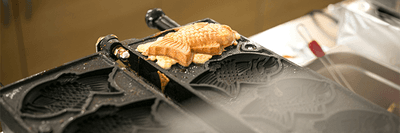
As the winter chill settles over the peninsula[1], the streets of Korea undergo a delicious transformation. The air fills with the scent of hotteok oozing with cinnamon syrup, pillowy steamed buns, and savory[2] fish cakes simmering[3] in a cloud of steam. While each of these treats has its loyal fans, none captures the soul of the season quite like bungeoppang. This iconic fish-shaped pastry, with its signature golden-brown crust and molten[4] heart of sweet red bean, is more than just a snack. It is a warm, hand-held nostalgia that has comforted Koreans through freezing winters for generations.
The Pride of Living in a “Bungse-gwon”
Every year, as the first breath of frost appears, social media buzzes with a uniquely Korean term: bungse-gwon. It is a clever play on yeokse-gwon, a word usually reserved for the high-end convenience of living near a subway station. In the winter, however, true "location premium" means living within walking distance of a reliable bungeoppang vendor. Being in a bungse-gwon is a point of quiet pride, sparking viral "bungeoppang maps" and community tips on which stalls offer the crispiest tails. The existence of dedicated apps to track down these mobile carts proves that for Koreans, this humble snack is a vital part of the winter survival kit.
Beyond the Classic: A New Era of Fillings
For decades, the only real question was a simple one: red bean or custard? This lighthearted rivalry divides friends and families into two passionate camps of purists and cream-lovers every single year. Recently, however, bungeoppang has moved beyond its traditional street-cart roots and into the world of specialty boutiques[5] and high-end cafés. This evolution has brought an explosion of creative fillings, ranging from earthy matcha and savory pizza to trendy mint chocolate and even the viral "Dubai chocolate."
Yet, regardless of how many modern flavors arrive on the scene, the spirit of the experience remains exactly the same. When you take that first crispy, steaming bite on a street corner, you aren't just enjoying a pastry. You are tasting the enduring warmth and cozy heart of a Korean winter.