
No brand sets out to trend for the wrong reasons. But in a world where one frustrated post can reach millions overnight, even the most trusted names can find themselves under fire. The real test isn’t whether mistakes happen—it’s how a brand responds when they do. Some panic. Others pivot. And a few, like Ajinomoto and KFC, manage to turn trouble into something unexpectedly valuable: connection.
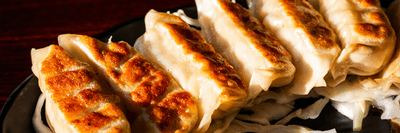
Take Ajinomoto, the Japanese food company known for its umami-rich seasonings and frozen gyozas. The brand had long promoted its dumplings as “non-stick,” requiring no oil. Then a customer on X (formerly Twitter) shared a photo of gyozas stubbornly glued to a frying pan. What could have been a PR headache became a masterclass in curiosity.
Instead of denying the problem, Ajinomoto invited customers to send in their frying pans for testing. More than 3,500 people responded. The company’s engineers studied everything—heat, materials, technique—and shared their findings publicly. They even created a website showcasing the variety of pans, celebrating the process with humor and humility [1]. In doing so, Ajinomoto turned frustration into participation and critics into collaborators.
A few years earlier, KFC UK faced a different kind of crisis: it ran out of chicken. When a supply chain failure shut hundreds of stores, the brand responded with a now-famous newspaper ad showing an empty bucket labeled “FCK.” Below it, a straightforward [2] apology: “We’re sorry. A chicken restaurant without chicken. It’s not ideal.” The honesty—and gentle wit—won customers back faster than any corporate statement could.
Both stories share a common recipe for recovery: act fast, stay human, and tell the truth with a touch of grace. In an age where consumers crave [3] authenticity [4], admitting imperfections isn’t a weakness—it’s a strategy.
When things stick (literally or figuratively), the best brands don’t hide behind polished PR lines. They listen, learn, and invite people in. Because sometimes, a little humility and humor are the secret ingredients that turn a brand’s worst day into its best story.