
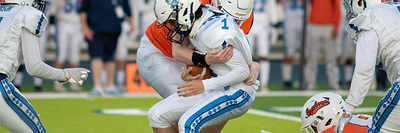
NFL Sundays How to have the best watch party NFL 경기가 열리는 일요일 경기 관람 파티를 위한 팁 Discussion Questions Q1 In your own words, please briefly summarize the article. 여러분의 언어로 교재를 간단히 요약해 주세요. Q2 What part of the reading resonated with you most? 이번 교재에서 가장 공감하는 내용은 무엇인가요? Q3 Have you ever watched an American football game? What did you think about it? 미식축구 경기를 본 적이 있나요? 어떤 느낌이었나요? Q4 Do sports fans in your country have any superstitions? Can you give an example? 여러분의 나라 스포츠 팬들에게 미신 같은 게 있나요? 예를 든다면 어떤 것이 있나요? Q5 Have you ever had a “lucky” item, like clothing or an object, that you believed brought good luck? 좋은 기운을 가져다준다고 믿었던 ‘행운’의 물건(옷이나 소지품 등)을 가져본 적이 있나요? Q6 Do you enjoy watching sports with family or friends? Why or why not? 가족이나 친구들과 함께 스포츠 경기를 보는 걸 좋아하시나요? 그 이유는 무엇인가요? Q7 What foods do you usually eat when watching sports or big events on TV? 스포츠 경기나 큰 이벤트를 TV로 볼 때 보통 어떤 음식을 즐기는 편이신가요? Q8 If you hosted a sports watch party, what food would you serve? 만약 스포츠 경기 관람 파티를 연다면, 어떤 음식을 내놓고 싶나요? Q9 Do you think food is as important as the game itself when people gather for sports? Why? 사람들이 스포츠를 보려고 모일 때, 음식이 경기만큼 중요하다고 생각하시나요? 그 이유는 무엇인가요? Q10 Have you ever joined in sports-related greetings, chants, or cheers? What was the experience like? 스포츠 관련 인사, 구호, 응원에 참여해 본 적이 있으신가요? 그 경험은 어땠나요? Q11 The article talks about “Monday morning quarterbacks.” Have you ever analyzed a game, movie, or event after it happened and thought you could do better? 글에서는 “월요일 아침 쿼터백”이라는 표현이 등장합니다. 어떤 경기나 영화, 사건을 나중에 분석하면서 ‘내가 더 잘할 수 있었을 텐데’라고 생각해 본 적 있으신가요? Q12 In your opinion, why do sports bring people together so strongly? 스포츠가 사람들을 그렇게 강하게 하나로 묶어 주는 이유는 무엇이라고 생각하시나요? Q13 If you have a question or questions that you'd like to discuss during your class, please write them down. 궁금한 점이 있거나 수업 중에 얘기해 보고 싶은 질문이 있으면 적어주세요. Expressions superstitious 미신을 믿는 believing in things that are not based on reason or science, such as luck or omens 예문 1 She’s superstitious about black cats crossing her path. 그녀는 검은 고양이가 길을 가로지르는 것을 불길하게 여긴다. 예문 2 Many athletes are superstitious and follow lucky rituals before a game. 많은 운동선수들은 미신을 믿고 경기 전에 행운 의식을 따른다. taboo 금기, 터부 something forbidden or avoided due to cultural or social rules 예문 1 Talking about money is often considered a taboo in polite conversation. 돈 이야기는 정중한 대화에서 종종 금기로 여겨진다. 예문 2 Eating certain foods was a cultural taboo in the village. 특정 음식을 먹는 것은 그 마을에서 문화적 금기였다. tailgate 앞차에 바짝 붙어 운전하다; (미국) 자동차 뒤에서 하는 야외 파티 to drive too closely behind another vehicle; also, a party near the back of a vehicle (U.S.) 예문 1 It’s dangerous to tailgate on the highway. 고속도로에서 앞차에 바짝 붙어 운전하는 것은 위험하다. 예문 2 They had a tailgate party before the football game. 그들은 풋볼 경기 전에 자동차 뒤에서 파티를 열었다. exemplify 전형적으로 보여주다, 모범이 되다 to show or be an example of something 예문 1 Her dedication exemplifies the spirit of teamwork. 그녀의 헌신은 팀워크 정신을 전형적으로 보여준다. 예문 2 This painting exemplifies the style of the artist’s early work. 이 그림은 그 화가의 초기 작품 스타일을 잘 보여준다. foresight 선견지명, 통찰력 the ability to see or prepare for what will happen in the future 예문 1 His foresight in investing early made him very wealthy. 그의 선견지명 있는 초기 투자가 그를 매우 부유하게 만들었다. 예문 2 Good leaders are valued for their foresight and planning skills. 좋은 지도자들은 그들의 선견지명과 계획 능력으로 높이 평가된다. |
| 본 교재는 당사 편집진이 제작하는 링글의 자산으로 저작권법에 의해 보호됩니다. 링글 플랫폼 외에서 자료를 활용하시는 경우 당사와 사전 협의가 필요합니다. |