
Naps
We’ve all been there
Updated: 2024.05.09
3 min read · Intermediate
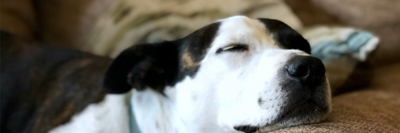
Naps We’ve all been there 낮잠 건강에 좋은걸까 나쁜걸까 Articles Naps Around the WorldDiscussion Questions Q1 In your own words, please briefly summarize the article. 여러분의 언어로 교재를 간단히 요약해 주세요. Q2 What part of the reading resonated with you most? 이번 교재에서 가장 공감하는 내용은 무엇인가요? Q3 How do you feel about napping? Is it a good or bad thing? 낮잠에 대해 어떻게 생각하시나요? 좋은 일인가요, 나쁜 일인가요? Q4 Do you think napping culture is beneficial on the whole? 낮잠 문화가 전반적으로 유익하다고 생각하시나요? Q5 Do you personally nap? Why or why not? 개인적으로 낮잠을 자나요? 왜 그렇게 하거나 왜 안 하나요? Q6 Do you think that napping is good for one’s health? Why or why not? 낮잠이 건강에 좋다고 생각하세요? 왜 그렇거나 왜 그렇지 않나요? Q7 Do you keep up a healthy sleep schedule? Explain. 건강한 수면 스케줄을 지키고 있나요? 설명해 주세요. Q8 Do you think sleep is under or overemphasized? Explain. 수면의 중요성이 과소 또는 과대 강조되고 있다고 생각하세요? 설명해 주세요. Q9 If you have a question or questions that you'd like to discuss during your class, please write them down. 궁금한 점이 있거나 수업 중에 얘기해 보고 싶은 질문이 있으면 적어주세요. Expressions disoriented 정신이 없는, 방향을 잃은 confused or dazed 예문 1 I took a six hour nap and woke up at two AM, mildly disoriented. 6시간 낮잠을 자고 새벽 2시에 일어나 약간 정신이 없었습니다. 예문 2 The cabin lights of the plane were kept off during the journey, so we arrived disoriented. 비행기의 객실 조명이 여행 중에 꺼져서 방향을 잃은 채 도착했습니다. sparse 희박한 few 예문 1 The selection of ice cream was very sparse despite it being a fancy restaurant. 고급 레스토랑임에도 불구하고 아이스크림의 선택은 매우 희박했습니다. 예문 2 There was sparse evidence to persecute the criminal. 범인을 박해할 증거가 희박했습니다. siesta 시에스타 nap (in another language) 예문 1 After working so hard all day, I went home early for a siesta. 하루 종일 열심히 일한 후에, 나는 시에스타를 위해 일찍 집에 갔습니다. 예문 2 We should make siestas a regular part of the workday. 우리는 시에스타를 근무일의 정기적인 부분으로 만들어야 합니다. |
| 본 교재는 당사 편집진이 제작하는 링글의 자산으로 저작권법에 의해 보호됩니다. 링글 플랫폼 외에서 자료를 활용하시는 경우 당사와 사전 협의가 필요합니다. |
Loading...
*본 교재는 당사 편집진이 제작하는 링글의 자산으로, 저작권법에 의해 보호됩니다. 링글 플랫폼 외에서 자료를 활용하시는 경우, 당사와 사전 협의가 필요합니다.