
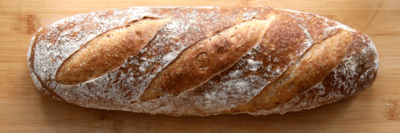
Bread has been a staple of the Western diet since around 10,000 BCE, and its popularity has never waned. Though rice, pasta, and other grains are ubiquitous [1], bread reigns supreme to the point that exciting innovations in any industry will often be called “the best thing since sliced bread.” Before the advent of sliced bread and mass production of bread in the early 20th century, the majority of American families made their bread at home for daily consumption. While many now prefer the convenience of a trip to the supermarket or even a local bakery, the American tradition of bread making still goes strong.
One of the barriers to baking bread is the amount of time it requires when work, hobbies, and socializing demand so much time in modern life. However, at the height of the COVID pandemic, myriad [2] hobbies gained popularity due to the newfound free time under lockdown. One of the fads that took hold was baking sourdough bread, and many have found a way to integrate the process into their routines even as they started to spend more time outside of the home.
Sourdough may have had a recent resurgence [3], but its use dates back as early as ancient Egypt. Historians have surmised that it was discovered when bread dough was left out and wild yeast found its way into the mix. Once they tasted the fluffy and flavorful result, there was no going back.
Though sourdough bread shares many similarities with other types of loaves, the shining star that sets it apart is the fermented [4] starter. When left at room temperature, mixing just flour, water, and sugar yields a sour smelling mixture that can replace yeast and gives the bread its signature flavor. It may seem like a no-brainer to make sourdough if you’re inclined towards baking, but there is a catch. The complex flavors and unique texture come at a cost: time. While a typical loaf of bread can be made in as little as 3 hours, even a quick sourdough will clock in at around 16 hours up to several days.
Though all this can sound daunting, if bread is already an integral part of your daily diet, nothing quite beats the satisfaction of being able to provide it for yourself for better quality at a fraction [5] of the cost. More and more people have opted for making bread—sourdough or otherwise—at home, returning to a longstanding tradition that only briefly fell out of fashion.