
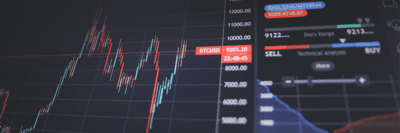
Despite the dour [1] economic outlook with which investors started the year, the stock market has quietly climbed through the first half of 2023. The S&P 500 rallied 13%, while the tech-heavy Nasdaq Composite is up 29%. (Nasdaq Composite is a stock market index that includes almost all stocks listed on the Nasdaq stock exchange, while the S&P 500 tracks the biggest 500 companies in the US stock exchange.)
As the recent stock rally continues, traders pile into bullish bets in fear of missing out, causing a flurry of [2] activity tied to S&P 500 index options*. According to the Cboe Global Markets data, one-day trading in calls has surged, and this elevated trading has pushed up the prices of such call options. “A sign of ebullience [3],” according to the Wall Street Journal.
*Call options give the right to buy shares at a certain price by a specific date; a buyer of a call option is betting on the share price to go up beyond the agreed-upon price (strike price) by the agreed-upon date. If this does not happen, the buyer can choose not to exercise the right to buy, and his loss is limited to the premium he paid to buy the call option.
The market also looks oddly calm. A measure of market volatility, the Cboe Volatility Index (VIX) is reaching its lowest point since February 2020. The index tracks the price of options used to hedge against a market downturn—a low VIX means these hedging options are not as attractive, signaling investor confidence.
Although the market’s steady rise has puzzled analysts, a closer look reveals possible explanations.
One such explanation is a delayed onset effect of high interest rates. The initial panic after central banks started hiking rates to squelch [4] inflation has subsided as robust economic markers continue to reassure investors. However, experts advise market watchers to stay on guard as the effect of high interest rates on the economy could be felt later in the year.
Another explanation is quant funds, which rely on computer models and automated trading. Early this year, as other investors turned away from stocks to the money market, citing worries about the course of the US economy, quant funds scooped up stocks and doubled down [5] on the equity market. Quants rely on rule-based trading, not on vague misgivings about the economy.
We have seen bullish bets on artificial intelligence as well; over 1.3 million call contracts on chip makers Nvidia, Intel, and Advanced Micro Devices have changed hands on an average day in June, well on track for the highest monthly trading volume. The frenzy has sent the information technology sector up about $1.9 trillion from $10 trillion since the beginning of the year.
A handful of signs even indicate that tension could be brewing under the surface [6].
For one, more calls tied to the VIX have changed hands in June than in any other month on record. This means traders are piling in on wagers that would profit if market volatility went up. Institutional investors are also heavily engaging in overwriting, a bet known to signal a pessimistic outlook. (Overwriting happens when the owner of a stock sells a call option, assuming that the option won’t be exercised—they think the price won’t go up beyond strike. At the same time, the call seller can pocket the proceeds from option sales and dividends from the stock they hold.)
Arguably, real interest rates (the difference between nominal interest rates and inflation) are not yet in restrictive territory. Further rate increases could unravel the stock rally and usher in a bear market.