
Do you bring a lunch from home? Even though a busy schedule can make packing a lunchbox difficult, there are many benefits to bringing food to work. A French study, which surveyed over 40,000 adults found that those who planned their meals were 13 percent more likely to eat a healthy meal and 20 percent less likely to be obese. The same group also tended to eat a wider variety of foods—nearly a quarter of adults consumed a more varied [1] diet when bringing lunch. Many countries around the world have unique lunchboxes designed to help hold some of their most common meals.
Many Korean students may be familiar with the dosirak, an old-style Korean lunchbox. Dosiraks are made of metal or plastic and often hold rice, kimchi, and a side dish high in protein such as beef or egg. Unlike many other lunchboxes, which hold food in separate containers, a dosirak doesn’t have sections and can be shaken to mix the flavors of the pickles, vegetables, and sauces with rice. Traditionally, students and workers could either pack a box at home or purchase one near a rail station although dosiraks have become less common in recent years, especially because of the COVID-19 pandemic.
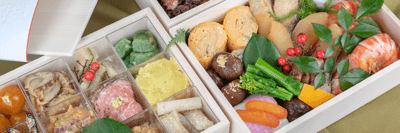
It is impossible to talk about the lunchboxes without mentioning the bento, a Japanese single-portion lunchbox that was first created out of bamboo in the 12th century. A bento contains many similar ingredients to a dosirak, such as steamed rice, fish, and various pickles and sauces. Due to the simplicity and organization of bento, they have become increasingly popular in North America. You can order a bento lunch from many Japanese restaurants, as well as purchase your own box at major retailers.
A tiffin box is another popular style of lunchbox that originated in India but has now spread across the world, including to countries with high Indian immigration like Malaysia, Turkey, and Trinidad and Tobago. In Indian cities like Mumbai, tiffin sellers travel at lunchtime, offering stuffed boxes of snacks for office workers to enjoy. In fact, this is one of the largest vending operations in the world--in Mumbai alone the sellers move nearly 200,000 lunchboxes a day by bicycle, train, and foot. Unlike typically flat and square East Asian boxes, the tiffin is often round and tall. Each layer contains a separate part of the meal, such as rice, vegetables, or curry. The entire box is closed through a metal lever, which uses pressure to seal any liquid inside.
Though lunches across Asia are typically held in metal or plastic containers, it is common to see a brown-bag lunch in North America. These plain brown bags are very economical [2] and easily disposable for cleanup. Some parents will leave a note for their students inside the bag to encourage them to study well during their school day, alongside staple foods [3] like peanut butter and jelly sandwiches or raw baby carrots.
In Northern Canada, mining workers like to use a unique style of lunchbox known as the Miner’s Lunch. These metal boxes are almost unbreakable--according to the original manufacturer, the box was designed to survive inside deep coal mines in the Arctic north.
Each culture has its own style of lunch box, but ultimately it is the food inside that matters! Adults around the world struggle to eat healthy and balanced meals during a busy workday, and packing a balanced lunch box can be an easy way to do just that.