
These days, Gwanaksan, a rugged[1] 632-meter granite mountain that looms over the southern edge of Seoul, is packed with people, leaving barely any room to breathe. Lines stretch from the trailhead, and a route that normally takes 90 minutes now takes over two hours to climb. The culprit[2]? A fortune teller claimed that making a wish three times at Yeonjudae, a dramatic rocky outcrop perched near the summit, would make it come true. Young people began flocking to the mountain.
It's not just wishful thinking, though. In geomancy[3] — the ancient East Asian practice of reading the energy of landscapes — Gwanaksan carries the energy of "fire." It's considered a place where stagnant[4] luck can be broken and new energy gained through a practice known as Gaeeun, or luck-renewal. Think of it less as superstition and more as a spiritual reboot[5]: same person, better energy.
This belief runs deep in Korean culture. Many Korean school anthems include a line about receiving "the spirit of the mountain," expressing the hope that its energy will be passed down to students — not unlike Western schools invoking tradition or alma mater pride, except the mountain is doing the heavy lifting. The idea extends well beyond Gwanaksan: staying at a particular hotel, or traveling to a city known for good energy, all stems from the same notion. That a place carries something you can physically absorb has been a shared belief across East Asian cultures for centuries.
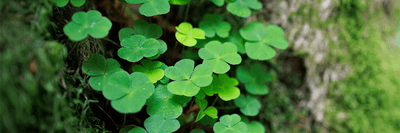
Western traditions take a different route to the same destination. Instead of mountains and meridians, people carry four-leaf clovers or hang horseshoes above doorways, hoping to tip the cosmic scales in their favor. Particularly notable is the use of self-suggestion — visualizing goals, reframing frustration from the inside — based on the belief that focused thought can shape reality. The mountain versus the mindset: different vehicles, same driver.
Yet both traditions are ultimately asking the same question: "How do I break out of this rut?" Ancient Egyptians carried amulets. People in the Joseon Dynasty searched for myeongdang, auspicious land with the right energy, before building their homes. The methods changed. The anxiety behind them never did.
The people climbing Gwanaksan aren't chasing a new trend. It's an ancient human instinct, the drive to move toward something better, expressing itself in the language of today. Seeking out a place, holding onto a symbol, gathering your thoughts. Whatever form it takes, there have always been people stepping toward something in the hope of better luck. And there always will be.