
Jongno 3-ga sits in the historic heart of Seoul, a short walk from the old royal palaces. For most of its life, it belonged to [1]old men. They filled the rice soup shops through the afternoon and played baduk on folding boards along the alleys, while younger Koreans headed south of the river for anything considered fashionable. So when Time Out named it the coolest [2]neighbourhood in the world this September, ahead of forty districts across twenty-six countries, even people who live there were a little surprised.
The neighbourhood didn't win on landmarks or redevelopment schemes. It won on what happens here after dark. Plastic stools come out of the alleys, blue tables go up along the pavement, and people sit down to grill meat under the open sky. Koreans call these outdoor stalls pocha. For decades they were where office workers ended a long day, and no one thought of them as somewhere to take a visitor [3] .
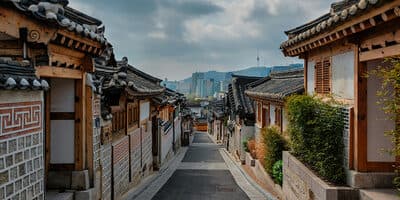
A few minutes away, the same neighbourhood looks completely different. In Ikseon-dong, narrow lanes of century-old wooden houses called hanok hold cafes, boutiques and perfume shops, and the queues for salt bread can run long. Along the stone wall of Jongmyo, a royal shrine built in the fourteenth century, small jewellery workshops have opened one after another. None of it was planned. New things arrived without the old ones being cleared away, and that mix is what you notice as you walk.
Word has travelled quickly. A reporter visiting on a weekday evening found the outdoor tables full, with two or three of every ten seats taken by visitors from abroad. One Australian traveller told him the street felt genuinely [4] alive rather than arranged for tourists, which is fair enough, since she was sitting at the same tables eating the same food as everyone else. Autumn is when it looks best, when the ginkgo trees turn and the tables spill out into corridors of gold.
Of course, a street can only [5] hold so many people, and the district office has been busy adding public toilets and working out how to keep the pavements clear. But that is the ordinary cost of being loved. If you find yourself in [6]Seoul this autumn, go at dusk [7], take the last empty stool, and order whatever the next table is having.