
Production Eng
Safety Inspection
Production English (8)
Updated: 2026.01.01
1 min read · Intermediate
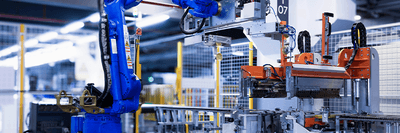
Safety is the highest priority in a production facility. This session covers the language used during safety walkthroughs and routine inspections. You will learn how to identify potential hazards, verify that equipment meets standards, and ensure that all safety protocols are being strictly followed to prevent accidents.
[Tips for Success]
- For Students: Imagine you are conducting a weekly safety check. Use at least 4 phrasal verbs from the list below to describe how you inspect the facility, what you look for, and how you record your findings.
- For Tutors: Do not worry about industry-specific details. Instead, focus on whether the student can use phrasal expressions accurately and improve the natural flow of their sentences. Feel free to ask clarifying and/or follow-up questions to better understand their ideas.
[10 Essential Phrasal Verbs & Examples]
- Check over: To review or examine something carefully for any errors or faults.
Example (Inspection): Before we start the shift, please check over the emergency exit lights to ensure they are working.
- Look out for: To be alert and watch for potential hazards or dangers.
Example (Safety): During your walkthrough, you must look out for any loose wires or oil spills on the floor.
- Check off: To mark an item on a list as finished or completed.
Example (Protocol): Once you verify the tire pressure on the forklift, check it off on your daily safety sheet.
- Go through: To examine a process or a list of items in a specific sequence.
Example (Maintenance): We need to go through the entire safety manual with the new hires this afternoon.
- Check up on: To investigate or make sure that someone is safe or that a task is being done correctly.
Example (Supervision): The safety manager will check up on the welding team to ensure they are wearing their PPE.
- Point out: To draw attention to a specific problem or a safety violation.
Example (Auditing): I need to point out that the fire extinguisher in Section B has expired and needs replacement.
- Clear out: To remove objects or people from an area to keep it safe and accessible.
Example (Hazard): Please clear out the boxes blocking the walkway; they are a major trip hazard.
- Lock out: To disable equipment during inspection or repair so it cannot be started accidentally.
Example (Technician): You must lock out the main power supply before you check over the internal motor.
- Report back: To return to a supervisor with information or the results of an inspection.
Example (Reporting): After you finish the perimeter check, please report back to the office with your findings.
- Sign off on: To give official approval or to confirm that a safety check has been completed.
Example (Compliance): The supervisor must sign off on the inspection report before the production line can resume.
[Discussion Questions]
Students, please prepare your answers using the phrasal verbs above.
- When you check over your workstation, what are the top three safety items you look at?
- How do you point out a safety violation to a colleague without making them feel defensive?
- Why is it important to check off items on a list rather than relying on your memory during an inspection?
- How often does your manager check up on the safety standards in your department?
- If you find a hazard, what is the procedure before you report back to your supervisor?
- Have you ever had to clear out a storage area because it had become a fire risk?
- In your facility, who is authorized to sign off on major equipment safety repairs?
- What specific dangers do you look out for when you are walking near heavy machinery?
*This material is designed for the exclusive use of Ringle students on the Ringle platform.