
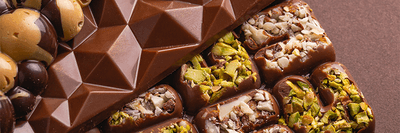
As you scroll through Instagram Reels, you often see people trying foods with “Dubai” in the name, such as Dubai chocolate and Dubai cookies. Over the past few years, the word “Dubai” has appeared frequently in the food industry. This wave of popularity began in late 2023, when a famous TikToker posted a mukbang video featuring chocolate from a Dubai-based dessert brand, Fix Dessert Chocolatier. After that, “Dubai chocolate” quickly gained explosive[1] popularity on social media.
Dubai Chocolate
Dubai chocolate is inspired by Middle Eastern desserts. It is made with pistachio spread and finely shredded pastry known as kadaif, all then coated in chocolate. At first, the term referred to a specific product from Fix Dessert Chocolatier. In Korea today, however, “Dubai chocolate” is no longer tied to a single brand, but used more broadly[2] as a genre.
As well-known Korean influencers began ordering Dubai chocolate from overseas, or recreating it themselves and sharing the process online, the popularity surged even further. In response, the food industry rushed to release related products, leading to a wide variety of items such as Dubai cookies, Dubai bread, and Dubai drinks, all under the name “Dubai.”
What Is a Dubai Chewy Cookie?
Among them, the most eye-catching item is the “Dubai chewy cookie.” Filled with roasted kadaif and pistachio spread, then wrapped in melted marshmallow and sprinkled with chocolate powder, this cookie reinterprets[3] the key elements of Dubai chocolate.
Dubai chewy cookies are now enjoying incredible popularity, often selling out as soon as bakeries open. In Korea, lining up before a store opens to buy a trendy item is called an “open run.” At the moment, Dubai chewy cookies are so scarce that it is almost impossible to buy one without doing an open run.
As is often the case with viral trends, explosive popularity has been accompanied by controversy. The price of a Dubai chewy cookie rivals its fame, with each cookie costing between 4,000 and 14,000 won (approximately $3 to $10). This is notably expensive considering that similarly sized desserts in Korea, such as madeleines or financiers, typically sell for around 3,000 to 4,000 won. The surge in demand has also led to ingredient shortages, and some sellers have been found to use cheaper substitute ingredients without proper disclosure.
Even so, the popularity surrounding Dubai chocolate shows no sign of fading. Many Koreans now associate[4] “Dubai” simply with a combination of brown and green. This trend goes beyond dessert and functions as a cultural code that includes colors, images, and a certain lifestyle aesthetic.
So, how long will the popularity of Dubai chocolate and Dubai chewy cookies last? Trends eventually fade, but some trends give rise to new ones. What we are witnessing[5] now—is it simply a dessert craze, or the beginning of a new form of cultural consumption built around the name “Dubai”?