
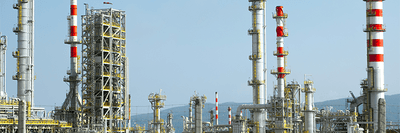
The global petrochemical[1] industry, which produces essential chemicals used in plastics, packaging, and other everyday products, is facing one of its toughest periods in decades. The sector is struggling with too much production, weak demand, and pressure to meet environmental goals, forcing some factories to shut down and companies to rethink their strategies.
A major part of the problem comes from overcapacity[2] in China. Between 2015 and 2025, China added roughly 70% of the world’s new ethylene production, creating more chemicals than the market needed. During this period, global ethylene capacity increased by over 40 million tons, while demand grew by only 27 million tons, leaving many producers with unused capacity and low profits.
Older factories in Europe and parts of Asia are particularly vulnerable[3]. Some chemical companies have already closed plants or announced plans to cut production by up to 25% to survive. The high cost of energy makes the problem worse: industrial electricity prices in South Korea, for example, are now 15% higher than residential rates and far above US levels.
The industry also faces pressure from sustainability[4] and decarbonization[5] goals. Governments are encouraging investment in cleaner technologies, but these require large capital expenditures, which smaller or older companies may struggle to afford. Meanwhile, cheaper gas-based chemical production in the Middle East and the US gives those regions a significant cost advantage.
Future growth depends heavily on demand in Asia, where population growth, urbanization, and rising living standards could drive consumption. However, challenges remain: rising consumer debt, political instability, and trade barriers could slow the recovery.
To survive, petrochemical companies must adapt quickly. Strategies include closing inefficient plants, investing in high-value specialty chemicals, improving operational efficiency, and innovating to meet environmental standards. Companies that act decisively will be better positioned to thrive in a more competitive and sustainable market.
In short, the petrochemical industry is at a crossroads. Decades of overproduction, rising costs, and environmental pressures are forcing companies to rethink how they operate. While the challenges are significant, they also create opportunities for firms willing to innovate and focus on the future of sustainable chemical production.