
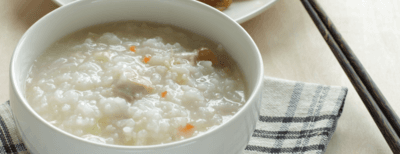
Porridges and grains are a global breakfast staple, with nearly every country in the world innovating its own type of warm morning gruel [1]. Made by breaking down a base starch in a large pot of water until reaching the desired consistency, toppings can range from pure sugar to sliced beef and fish cheeks. Though the exact recipe can vary intensely from culture to culture, nearly all Asian countries feature a rice-based porridge commonly known in English as congee. In today’s article, we’ll explore this delicious dish and its significance to Asian communities around the world.
History
It is nearly impossible to track down the direct history of such an ancient and basic dish, but some of the earliest mentions of congee in history come from China. Known as “juk” in Cantonese or “zhou” in Mandarin, the dish is first mentioned in ancient Zhou dynasty court documents, particularly in accounts of Southern China and India. The English name congee is derived from the Tamil word, “kanji,” referring to the dish’s base of rice, and likely entered the language during the British occupation of India in colonial times.
Toppings
Though a base of water or chicken broth and rice is ubiquitous [2] across congee’s many diverse preparations, the toppings vary highly from place to place. Pork and century eggs—a processed black and gray egg product—are some of the most popular toppings in Northern China. Yet venture south, and you may encounter cilantro, fried peanuts, pumpkin, chicken, and even marinated [3] soft-boiled eggs!
Cultural Significance
In nearly every country it is served, congee is a comfort dish frequently associated with easy cooking and digestion. It has become particularly popular with Asian Americans, due to the ease with making it in an electric rice cooker. Contemporary writings by Asian-American authors often mention the dish as one associated with comfort and home. Within the countries it originates, congee is frequently served to sick patients in hospitals due to its flexibility as a simple or complex food, depending on the topping.
Congee is a popular food due to its versatility. The dish can be anything from a humble digestion aid for the seriously ill to a full-blown extravagant feast with expensive toppings. How do you like your congee?