
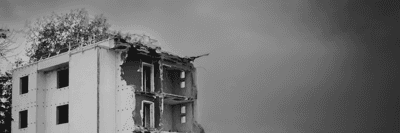
The human and financial toll of the February 6, 7.8 magnitude earthquake that struck southern and central Turkey and northern and western Syria continues to grow. As it stands, over 53,000 people have been killed, nearly 130,000 have reported injuries, and total damages exceed $34 billion USD. As the search for survivors continues, and the rebuilding begins of 105,000 destroyed or heavily-damaged buildings, Turkey attempts to relax growing political scrutiny.
The region in which Turkey is located (historically known as The Levant) is prone [1] to seismic [2] activity. The Levant is at the intersection of three tectonic plates, which are slow-moving sections of the Earth’s outer shell. As these plates move, they build up pressure along their boundaries, known as fault zones. When that pressure releases, it creates earthquakes and other tremors. The Levant, specifically, is between the Anatolian, Arabian, and African plates, the last of which is considered one of seven-or-eight “major” plates.
The fact that the region experiences frequent earthquakes is well-known (Turkey reported approximately 33,000 earthquakes in 2020 alone). That is why Turkish President Recep Tayyip Erdoğan and his government have received immense criticism since February 6.
For decades, hundreds of thousands of structures were reportedly not built according to construction safeguards (in 2021, Turkey’s parliament found that 8 million buildings built before 2000 were in great danger of earthquakes). Then, in 2018, an amnesty [3] law was passed allowing building owners to pay money instead of bringing buildings up to code; some 7 million buildings received this amnesty. Many critics say that this urban mismanagement led to more destruction than if all buildings were always built safely.
The tragedy now hangs largely over the country’s May 14 presidential and parliamentary elections. Since Erdoğan was elected president in 2014, Turkey has experienced democratic backsliding, corruption allegations, and growing censorship, including the blocking of Twitter in the days following the earthquake, the reasons for which are still debated.
*Since the initial quake, at least 105 countries and 16 international organizations have pledged aid to Turkey and, less enthusiastically, Syria due to Western sanctions. If interested, there are numerous ways you can donate to the relief effort, but be aware of potential scam organizations.*