
The kidneys are fist-sized organs in the right upper and left upper quadrants of the human abdomen. They look a bit like beans, and similar to beans, they serve an important purpose in the human body: specifically, they remove waste from your body and allow it to pass through as urine and feces. By serving as a filter for the blood in your body, the kidneys help to control acidity, maintain blood pressure, and keep fluid levels appropriate. Removal of this waste also contributes to homeostasis [1].
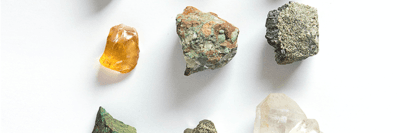
The body, however, is imperfect, and as such, the kidneys sometimes run into various difficulties when processing and filtering: these issues can lead to something called “kidney stones.” Kidney stones, similar to stones that you might find on the ground, are round–however, unlike stones from the outdoors, kidney stones are more akin to crystals made of calcium deposits. These deposits [2] form when your urine carries a particularly high concentration of certain minerals, one of which is calcium.
These deposits form gradually, anywhere along the urinary tract (typically in the kidney), and slowly grow over time. Although many kidney stones pass on their own, sometimes kidney stones can grow larger and scrape the walls of the ureter (the duct between the kidney and bladder) as they pass through your body. When these stones scrape along the ureter walls, it triggers nerve endings, leading to incredible pain–although typically no permanent damage. Alternatively, if kidney stones grow to a significant enough mass, they can become lodged entirely, blocking the flow of urine and leading to an infection; these cases usually require medical intervention.
While kidney stones are an unpleasant phenomenon, they can usually be avoided. Spinach, beets, and french fries are all foods high in calcium oxalates, which have the potential to accumulate in the kidneys if over consumed. Moreover, the simplest way to prevent kidney stones is to remain hydrated. By drinking water frequently, and urinating frequently, the urine within the kidneys is diluted [3], reducing the chances of them clumping [4] into the nightmarish crystals known as kidney stones.